

Spring Meeting Welcome
We look forward seeing you at the SEA 33rd Spring Meeting, which will be held next week at the Hyatt Regency Louisville. To tie into the ACGME’s initiative on wellness, the theme is “Training Professional, Humanistic Anesthesiologists.” This theme is especially relevant to our fast-paced, technologically advanced world which, according to some academic gurus and observers, is experiencing a crisis of humanism and professionalism in the practice of medicine.
The meeting will open with a plenary address by Dr. Thomas J. Nasca, MD, MACP, CEO of the ACGME, professor of medicine at Thomas Jefferson University and senior scholar in the Department of Medical Education at the University of Illinois at Chicago School of Medicine. Several nationally known speakers will address issues relevant to humanism as panel discussion. Friday will conclude with dynamic and interactive workshops that relate to professionalism and humanism. Dr. David Chestnut, MD, Professor and Chief of Obstetric Anesthesiology, Vanderbilt University Medical Center and senior editor of Chestnut’s Obstetric Anesthesia: Principles and Practice will be the plenary speaker for Saturday. The issues relevant to professionalism will be addressed in two TED-style panels discussion followed by additional workshops.
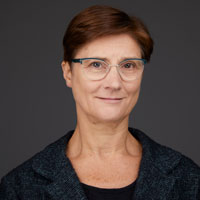
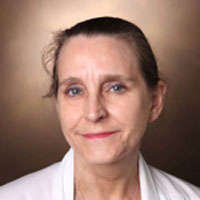
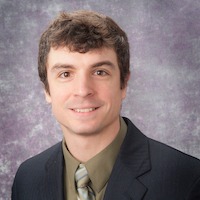
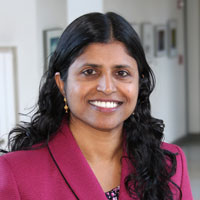
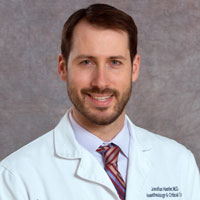 Jonathan Hastie, MD

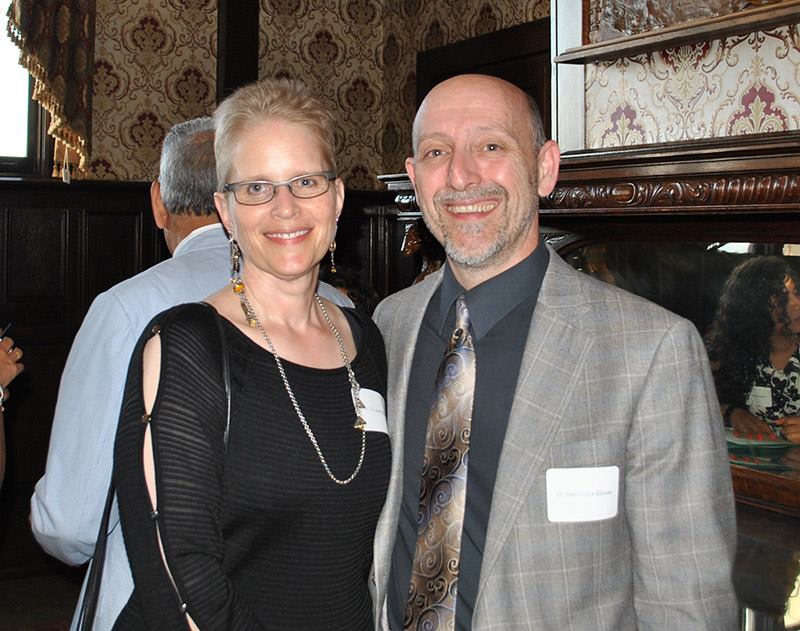 Elizabeth Ellinas, MD and Herodotos Ellinas, MD
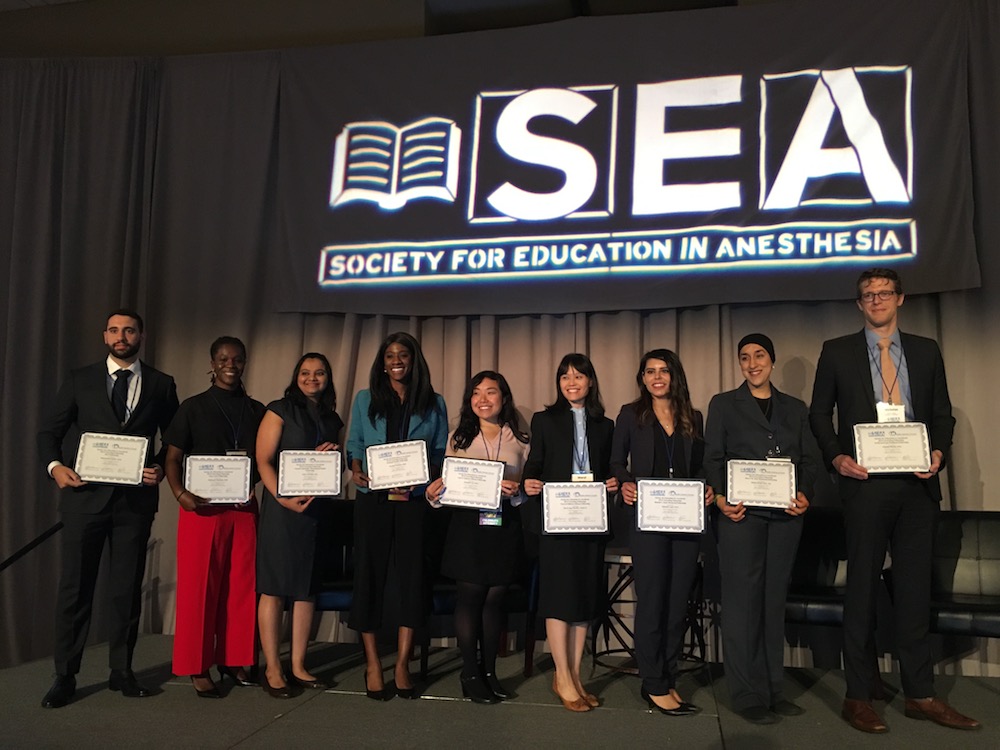 Health Volunteers Overseas (HVO), in collaboration with the Society for Education in Anesthesia (SEA), is pleased to share that eight anesthesia residents will receive a 2019 SEA-HVO Traveling Fellowship.