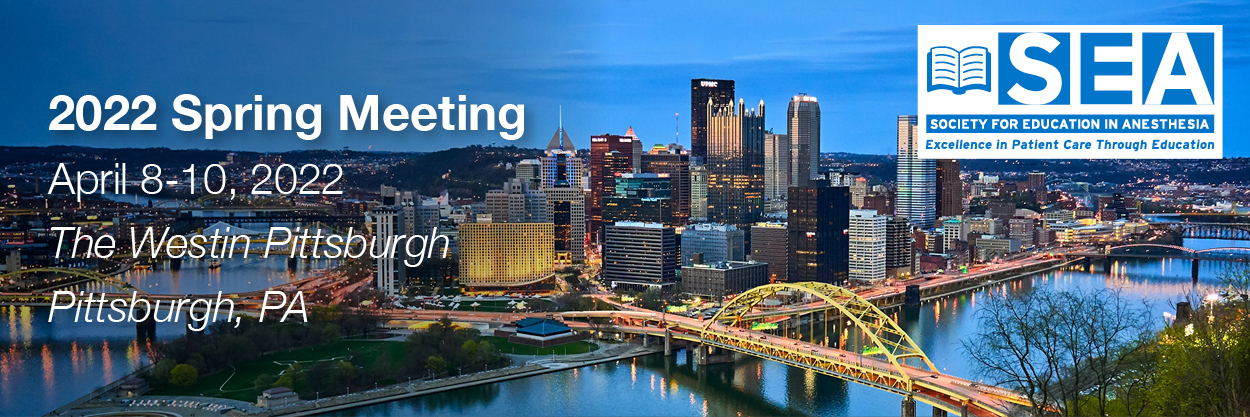
The Society for Education in Anesthesia (SEA) Fall Meeting was a great success. With very few open seats at the start, this was the first in-person fall conference since the COVID-19 pandemic and was also paired with the SAAAPM meeting. The theme was “Professional Identity Formation”, a topic that encompasses many of the most urgent issues in anesthesia education today. Conceptually we chose to approach professional identity formation in a two-fold manner. On one hand, your professional identity is, of course, shaped by your personal background and experience, while on the other, our collective identity as a profession is molded by the environment to which we are exposed which is in turn influenced by political, social, and economic (not to mention technological) factors impacting medicine in general and anesthesiology in particular.
The meeting opened with an incredible McLeskey lecture featuring Dr. Jo Shapiro, Associate Professor of Otolaryngology-Head and Neck Surgery at Harvard Medical School, Principal Faculty for the Center for Medical Simulation in Boston, and a consultant for the Massachusetts General Hospital Department of Anesthesia, Pain, and Critical Care. Her talk, “Fostering Psychological Safety: A Key Driver of Patient Safety and Physician Wellbeing,” inspired our attendees through her personal and profound take on fostering an environment in which we can maintain and elevate our profession for the betterment of both patients and practitioners.

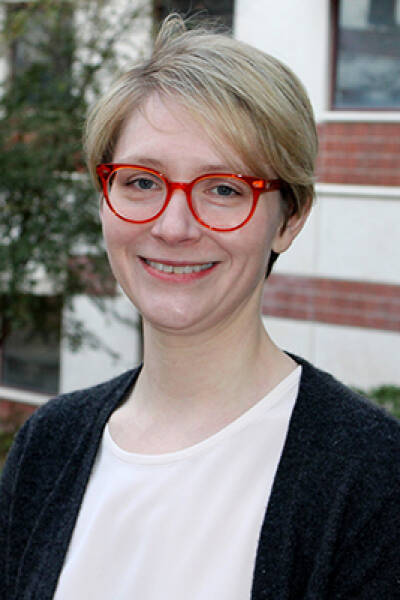

 Natalie Koons, DO
 Dr. Monica Arndt

 Let’s keep this short & sweet! We want to provide SEA members with quarterly newsletters that contain educational, inspiring, and interesting pieces. If you have an idea for a submission, or an author, and want to share, please email
 As 2022 draws to a close and I am charged with writing my first President's message for the SEA. At this time of year, I find it best to express gratitude, do a bit of reflection, and set some resolutions for the new year.